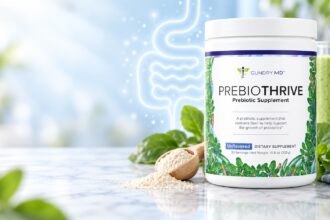
Is Dr. Steven Gundry a quack? This question sparks a heated debate in the health community. His dietary philosophy, particularly regarding lectins, has gained both followers and critics. While some studies suggest potential benefits of reduced lectin intake, others challenge the scientific rigor of his claims. As social media amplifies his reach, understanding the evidence behind his recommendations becomes essential. What do the facts really say about Gundry’s approach to nutrition?
Who Is Dr. Steven Gundry?
Dr. Steven Gundry is a former cardiac surgeon and a prominent figure in the field of nutrition and health. He’s best known for his controversial dietary recommendations, particularly regarding lectins, which he claims can contribute to various health issues.
After years of practicing surgery, he shifted his focus to preventive medicine and authored several books, including “The Plant Paradox.” His work emphasizes the importance of diet in managing health conditions and improving overall well-being.
Gundry runs a wellness clinic and promotes a specific dietary philosophy aimed at reducing inflammation and enhancing longevity. While his claims have garnered both support and skepticism, they’ve spurred significant discussion in the fields of nutrition and alternative medicine.
Overview of Dr. Gundry’s Dietary Philosophy
Gundry’s dietary philosophy centers on the idea that certain foods, particularly those high in lectins, can negatively impact health and contribute to chronic diseases. He emphasizes that lectins, found in many beans, grains, and certain vegetables, may trigger inflammation and other adverse reactions in some individuals.
To counter these effects, Gundry advocates for a diet rich in whole foods, healthy fats, and lean proteins, while minimizing or eliminating high-lectin foods. He promotes the consumption of fruits, vegetables, and nuts with lower lectin content.
Additionally, he encourages mindful eating practices and an awareness of how different foods affect your body. Overall, Gundry’s approach aims to optimize health by reducing potential dietary triggers associated with chronic illness.
Key Claims and Controversial Recommendations
Many of the key claims made by Gundry regarding health and diet have sparked significant debate within the nutritional science community. He argues that certain foods, particularly lectins found in beans and grains, can lead to inflammation and various health issues.
Gundry also promotes a high-fat, low-carbohydrate diet, emphasizing the benefits of healthy fats like olive oil and avocados. Additionally, he suggests that intermittent fasting may improve metabolic health. His recommendations often include avoiding nightshades and processed foods.
Critics argue that while some of these suggestions may have merit, they lack substantial scientific backing, raising questions about their safety and effectiveness. It’s essential to evaluate these claims critically and consult health professionals before making dietary changes.
Supportive Evidence for Gundry’s Theories
Although some of Dr. Gundry’s claims spark debate, there’s evidence supporting his theories. Research indicates that lectins, proteins found in many plants, can negatively impact gut health and contribute to inflammation in susceptible individuals.
A study published in the “Journal of Nutrition” found that reducing lectin intake may lead to improved metabolic health. Additionally, Gundry’s emphasis on healthy fats aligns with findings that suggest diets rich in omega-3 fatty acids can reduce cardiovascular risk.
The Mediterranean diet, which shares principles with Gundry’s recommendations, has been associated with numerous health benefits, including lower rates of heart disease and improved longevity. These connections provide a foundation for understanding Gundry’s dietary suggestions, even as further research is necessary to fully validate his claims.
Criticisms From the Medical Community
While some individuals find value in Dr. Gundry’s dietary recommendations, many in the medical community express skepticism. Critics argue that his claims often lack rigorous scientific backing, relying heavily on anecdotal evidence rather than peer-reviewed studies.
They caution that his promotion of certain foods as harmful, like lectins, may mislead patients, leading them to eliminate nutritious options without sufficient justification.
Furthermore, some healthcare professionals emphasize the importance of balanced diets and individualized nutrition, which Gundry’s approach may overlook.
The American Dietetic Association and other organizations urge a focus on evidence-based guidelines, raising concerns that Dr. Gundry’s methods could undermine established dietary practices.
The Role of Personal Anecdotes in Health Trends
How do personal anecdotes shape our understanding of health trends? They often serve as powerful narratives that can influence public perception and behavior.
When individuals share their experiences, such as weight loss or symptom relief after adopting a specific diet, these stories can resonate with others, prompting them to explore similar health approaches.
However, personal anecdotes lack the scientific rigor necessary for establishing causation. They can be biased and may not represent broader populations.
While they can inspire curiosity and motivate change, it’s crucial to balance these stories with empirical evidence. Relying solely on anecdotes can lead to misleading conclusions about health trends, underscoring the importance of critical thinking when evaluating dietary claims and health recommendations.
Comparison With Conventional Nutrition Guidelines
Personal anecdotes can significantly influence perceptions of health trends, often leading individuals to seek out alternative dietary approaches.
Dr. Gundry’s recommendations contrast sharply with conventional nutrition guidelines, which emphasize a balanced intake of fruits, vegetables, whole grains, and lean proteins.
While conventional guidelines advocate for dietary diversity, Gundry’s approach focuses on avoiding certain lectins found in legumes and grains, which he believes are harmful.
This divergence raises questions about nutrient adequacy and overall health. Research supporting Gundry’s claims is often anecdotal or preliminary, lacking the robust evidence typically required by mainstream nutrition science.
Impact of Social Media on Gundry’s Popularity
As social media platforms continue to shape public discourse around health and nutrition, Dr. Gundry’s popularity has surged. His engaging content, including videos and posts, resonates with those seeking alternative dietary solutions.
You might’ve noticed how his claims about lectins and health improvements spread rapidly across platforms like Instagram and Facebook. Users often share personal success stories, further amplifying his reach.
This viral nature of social media allows for rapid dissemination of his ideas, despite their controversial basis. However, it also means misinformation can flourish alongside genuine testimonials.
As you navigate this digital landscape, consider the importance of verifying claims against scientific evidence, ensuring you’re not swayed solely by the allure of online popularity.
Evaluating the Future of Gundry’s Dietary Approach
While many people are drawn to Dr. Gundry’s dietary approach, the future of his recommendations relies heavily on ongoing research and public perception.
As more studies emerge, you’ll want to assess the scientific validity of his claims regarding lectins and plant-based diets. Current evidence shows mixed results, so it’s crucial to stay informed about new findings that could support or challenge his views.
Additionally, as health trends evolve, Gundry’s approach may need to adapt to maintain relevance. You should consider your own health needs and consult trusted sources before making significant dietary changes.
Ultimately, the longevity of Gundry’s methods will depend on how well they align with emerging nutritional science and the broader acceptance of his ideas within the medical community.